Are you about to meet a Botox provider and wondering what to ask before a needle comes near your face? The short answer: verify credentials, align on goals, clarify dosing, understand risks, and get transparent pricing so you know exactly what you are getting, why, and for how much.
Why the consult sets the tone for results
A good consultation is not a sales pitch. It is a clinical conversation about your anatomy, movement patterns, and medical history. Done well, it prevents the two biggest problems I see in practice: unrealistic expectations and avoidable side effects. Botox has clear benefits for dynamic wrinkles like frown lines, crow’s feet, and forehead lines, and it can soften neck bands, bunny lines, gummy smile, and even jaw clenching when applied by a seasoned hand. Yet the advantages come with trade-offs. Results are temporary, dosage matters, and a cookie cutter map rarely suits every face.
Certified Botox specialists, whether a board certified dermatologist, plastic surgeon, or a highly trained nurse injector working under proper medical supervision, approach consultations like a blueprint session. They read your face at rest and in motion, take a medical history that actually informs treatment, and build a plan that fits your baseline and your goals. Walk in prepared and you will walk out with a clearer plan, more natural result Botox, and fewer surprises.
Credentials first, every time
If you only ask one question at your consultation, make it about training and oversight. You want a certified Botox provider who can describe their pathway to competency, not just their job title. The safest injectors are relentlessly specific when they talk about training: where they trained, what certifications they hold, how often they refresh skills, and who oversees medical protocols. A board certified Botox provider, such as a dermatologist or plastic surgeon, will have years of anatomy, complication management, and aesthetic decision making behind them. An excellent Botox nurse injector or cosmetic nurse can be equally skilled in technique and outcomes, provided they are licensed, work under an appropriate medical find botox near me NJ director, and can demonstrate hands-on experience.
Ask how many neuromodulator treatments they perform each week, which brands they use besides Botox (Dysport, Xeomin, Jeuveau), and how they decide among them. A Botox specialist should be comfortable explaining why they might choose one neuromodulator over another for your pattern of movement. For example, some patients prefer the diffusion profile of Dysport for larger areas like the forehead, while others want the tighter spread of Xeomin around fine lines. There is no single best Botox brand, only the best fit for your anatomy and goals.
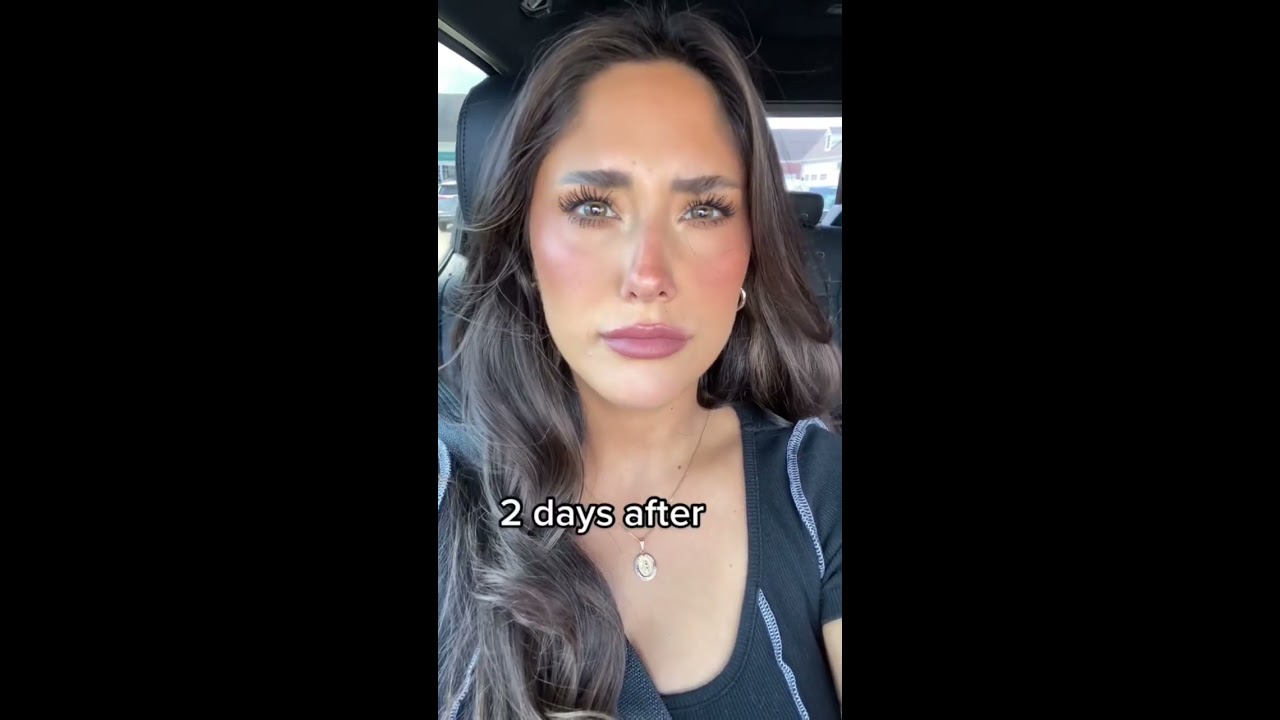
Your goals, their eyes
You are not shopping for a product. You are commissioning a result. That difference shows up in how the provider evaluates your face. The right Botox doctor will ask you to frown, smile, raise your brows, squint, and relax. They will watch the vectors of movement and the depth of etched lines. They will ask what bothers you most and what you want to keep, because a fresh look Botox result often preserves some expressive movement. If you say you fear the “frozen” look, they should explain how baby Botox, micro Botox, or conservative dosing can soften dynamic wrinkles while leaving your brows and smile alive.
Be wary of anyone who starts dotting your forehead with a marker before studying how your muscles recruit. A few millimeters can separate refreshed from heavy. Over-treating the frontalis can drop brows, while poorly placed units in the glabella can make the inner brows look pinched. An experienced Botox aesthetic doctor or nurse injector will show you why they are choosing specific points, explain the ripple effects of each injection, and set a plan that respects balance across the upper face.
Safety, history, and contraindications
A certified Botox provider should take a meaningful history. Expect questions about prior botulinum toxin exposure, neuromuscular disorders, pregnancy or breastfeeding status, active skin infections, recent antibiotics, keloid tendency, and any history of eyelid droop or brow ptosis after injections. If you have a heavy brow to begin with, they might steer you toward a more tailored botox plan or reduce forehead units to avoid worsening heaviness. If you grind your teeth, they might discuss masseter treatment for jaw slimness and relief of clenching, along with its pros and cons, like temporary chewing fatigue.
A professional Botox clinic should also be clear about side effects. Common ones include pinpoint bruising and mild headaches. Less common issues include eyelid or brow droop, asymmetric smiles, or diplopia in rare cases when toxin migrates. A trusted botox provider does not minimize these risks. They explain how they reduce them with careful placement, correct dose, proper depth, and post-treatment instructions such as avoiding strenuous exercise and head-down yoga for several hours.
Results timeline and durability
Botox is temporary. Onset usually starts around day 3 to 5, with full effect at 10 to 14 days, and a fade starting around 10 to 12 weeks for most people. Some patients hold longer, up to 4 months, especially with repeat treatments and stable dosing. Others metabolize more quickly, especially highly athletic individuals or those with a hyperactive metabolism. A seasoned Botox expert will ask about your lifestyle, review your previous response if you have one, and tailor timing. For first-timers or those nervous about stiffness, many injectors use a conservative dose and offer a refinement visit at 2 weeks to add a few units where necessary. That approach reduces the risk of an overdone look and gives you control over the final result.
Pros, cons, and alternatives
Botox benefits include targeted softening of dynamic wrinkles, prevention of etched lines from repetitive movement, and quick, low-downtime sessions. It can lift the tail of the brow, reduce gummy smile, soften chin dimpling, and narrow a bulky jawline from enlarged masseters. The advantages are most obvious in the upper face and jawline clenching. The drawbacks are real too. It is a short term botox effect that needs maintenance, and there is variability in how each person metabolizes neuromodulators. Heavy handed dosing can blunt expression or drop brows. Costs add up over time.
Alternatives exist. If your primary complaint is static, etched lines that remain at rest, a Botox and skincare plan may need support from resurfacing or collagen-stimulating treatments. Think chemical peels, microneedling, or certain lasers for texture, along with topical retinoids and sunscreen. For volume loss, Botox vs fillers is not a competition. Fillers replace structure, Botox relaxes muscles. They are often paired, especially for crow’s feet and midface harmony. Threads, PRP, or surgical options like a facelift address laxity and descent, which Botox cannot. A thoughtful Botox center will walk you through these distinctions without pushing you into more than you need.
Dosing language you should hear
Dosage is measured in units. The right number depends on muscle strength, gender, age, and your aesthetic preference. A provider who knows their craft will talk ranges and show judgment. For example, the glabella often uses 10 to 25 units, forehead 6 to 16 units depending on brow position and line depth, and crow’s feet 6 to 12 units per side. Masseter treatment for clenching might start at 20 to 30 units per side and be adjusted based on function. Baby Botox typically uses smaller aliquots, spaced more widely, to keep movement softer rather than static. Micro Botox, a different technique, places highly diluted toxin very superficially for texture and pore appearance, not for deep muscle relaxation.
Expect an explanation of dilution, too. Practices may reconstitute vials with different amounts of saline, but experienced injectors still think and bill by on-label units. If a clinic brags about “stronger” units or “double strength” dosing, ask for specifics. The goal is consistent, reproducible dosing you can track across visits.
Pricing: how much, and why
Botox pricing varies by region and provider experience. In major cities, the average price per unit often ranges from 12 to 20 dollars, with some premium practices charging more. A typical upper face treatment might total 30 to 50 units, which places Botox cost around 360 to 1,000 dollars depending on the units used and the market. Some clinics quote by area instead of units, for example a flat fee for the forehead or crow’s feet. That seems simpler, but it can obscure dose. Transparent Botox cost discussions reference units, indicate what is included, and specify the price for a two week refinement if you need a touch-up.
People ask about Botox deals and specials, especially around holidays. Discounts can be legitimate, like manufacturer promotions or loyalty programs. Just remember that cheap Botox is not a bargain if the injector lacks experience, uses an unpredictable dilution, or rushes your consultation. Packages and offers can be smart if you have a stable plan and trust the provider. The math is simple: paying for expertise, consistent product, and safe technique beats chasing discount botox with variable results.
What a thorough consultation sounds like
A strong Botox evaluation feels like a dialogue. The provider asks what you notice in photos or mirrors under harsh office lighting. You share the expressions you make at work or on camera. You discuss whether you want a soft result Botox that keeps some lift in the brows, or a more polished finish with minimal movement. The injector points out asymmetries that were always there: one brow higher, a dominant frontalis band, a stronger corrugator on the right. You see your face with clinical clarity, not through a filter. That shared understanding makes a natural result more likely.
They should also discuss staging, particularly if you are new to injectables. Some plans layer Botox with fillers or skincare. If your main goal is a youthful botox look in photos for an event, timing matters. Book at least two to three weeks ahead to allow the effect to settle and make refinement adjustments if needed. For masseter slimming, the visible change in face shape can take 6 to 8 weeks as the muscle reduces in bulk.
When to ask about combination therapy
Botox combined treatments can elevate results. Here is where judgment matters. Crow’s feet lines partly arise from muscle contraction and partly from thin skin and sun damage. Botox reduces the squint lines, while a light filler or energy device improves crepe texture. Glabella lines that are deeply etched at rest may need microdroplets of filler after Botox has softened the pull. Forehead cross-hatching from years of lifting the brows might be better addressed with a conservative neuromodulator plan plus resurfacing and diligent sunscreen, not simply more units.
Providers who offer thoughtful combinations will also talk about sequencing. Often, neuromodulator first, then reassess after two weeks, then add filler only if necessary. If a clinic pushes fillers on the same day without evaluating your Botox response first, ask why. You deserve a tailored botox strategy that limits overtreatment.
Managing expectations and the role of touch-ups
Refinement visits are part of advanced botox care, not a failure. The upper face is a set of interdependent levers. Adjust one muscle and others compensate. Skilled providers often plan a low to moderate first dose, then assess symmetry and function at two weeks. They add 2 to 6 units across a few points if needed. This approach usually yields a more refined botox outcome than trying to hit perfection in one pass.
If you get a result you do not love, a conservative approach at the next session can help. Eyebrow heaviness can be lightened by carefully releasing opposing muscles. A subtle brow lift can be created by targeting the lateral orbicularis. A gummy smile softened too much will recover as the product wears off, and doses can be trimmed next time. The advantage of temporary botox is forgivability and the chance to iterate toward your ideal.
Questions to bring to your consultation
Keep your list short and concrete so you can focus on the conversation rather than a script. Here is a compact checklist that respects both your time and the injector’s.
- What training, licensure, and board certification do you hold for cosmetic injectables, and how many Botox treatments do you perform weekly? Which areas do you recommend for my face today, and why those sites rather than others? How many units do you plan for each area, how do you reconstitute your product, and how do you adjust dose for my muscle strength? What are the likely side effects for me based on my anatomy, and how do you handle touch-ups or complications? How do you price your treatments per unit or per area, and what is included in the fee at the two week follow-up?
Comparing providers without hype
It is tempting to shop for the best botox by social media clout. I have reviewed plenty of glossy before and afters that hid key details like starting anatomy, camera angles, or time since injection. Better signals include consistent outcomes across ages and faces, clear explanations of technique, and a willingness to turn a patient away when the request does not fit. Read Botox reviews with discernment. Patient testimonials are helpful when they speak to the process and communication, not just the final photo. Success stories that mention realistic timelines, balanced botox results, and satisfaction with both care and outcome say more than a perfect forehead glow.
A trusted botox medspa or beauty clinic will also be clear about supervision. Nurse injectors should name the medical director and describe protocols for emergencies. The presence of hyaluronidase for filler reversal does not directly apply to neuromodulators, but it speaks to a clinic’s readiness. Proper storage and tracking of vials, adherence to manufacturer handling, and consistent lot documentation all indicate professional botox standards.
The nuance of “natural”
Natural means something different to everyone. For some, it is nearly full movement with softened lines, a harmonized botox effect. For others, it is a sleek brow and quiet glabella with zero furrow on Zoom calls. Clarity here prevents dissatisfaction. If you want just a refreshed botox look and worry about losing expression, ask for a staged plan with fewer units, spaced injections, and a two week polish. If you want a polished forehead, be honest about it so the injector can balance the frontalis with the glabella and lateral brow elevators, avoiding the see-saw of heavy center and lifted tails.
Men often need higher doses due to stronger muscle mass, but the aesthetic goal usually leaves a bit more movement to preserve a masculine brow. Women with low-set brows may tolerate fewer forehead units to preserve lift. Patients with deep-set eyes can be more prone to heaviness from over-treating the frontalis. These are judgment calls that a board certified botox provider or seasoned injector will discuss openly.
The math you can track
Knowing your own numbers helps you manage cost and outcomes over time. Ask for your unit map by area and keep it for your records. If you loved your result, you and your provider can reproduce it. If something felt too tight or wore off quickly, you have a starting point to adjust. Transparent botox pricing anchored to unit counts builds trust. Over a year, many patients schedule three or four sessions, sometimes fewer with preventative botox in younger patients or with baby dosing strategies. If you are targeting jaw clenching, plan for a re-treatment window of 3 to 6 months until the muscle stabilizes, then possibly longer intervals.
Regarding affordability, watch for manufacturer loyalty programs that credit dollars back on future visits. These are legitimate promotions. Seasonal botox offers and packages can make sense if they align with your planned maintenance schedule. Beware of pay-now bundles that expire quickly or push you into areas you do not need.
" width="560" height="315" frameborder="0" allowfullscreen="" >
Technique details that separate novice from expert
Experienced injectors place Botox at the correct depth. In the forehead, superficial injections can cause more bruising and less effect, while too deep can hit the wrong plane. In the crow’s feet, knowing where the zygomaticus and lateral orbicularis meet helps avoid smile asymmetry. For masseters, placement should be within the bulk of the muscle, away from the risorius, to reduce the risk of a crooked smile. Small needles, slow injections, and a steady hand matter for comfort and precision. Updated botox methods include mapping injections while you animate to catch dominant bands. Modern botox technique also favors fewer total injection sites with accurate dosing over peppering the face, which can increase diffusion risk.
When Botox is not the answer
Good providers say no when Botox advantages do not match your complaint. If your forehead lines are mostly from collagen loss and skin laxity, heavy dosing might flatten the forehead without fixing crepe texture. That situation calls for skincare, resurfacing, or even a surgical brow lift in some cases. If your cheeks look flat and you are chasing a youthful look with more forehead units, you might actually need midface support with filler. For deep neck bands, neuromodulators help, but they may need to be combined with collagen-stimulating treatments or energy devices for durable results. The best botox clinics guide you to the right therapy, even if it means a smaller neuromodulator plan and a bigger skin strategy.
Post-treatment care that matters
After injections, remain upright for a few hours, skip strenuous workouts the same day, and avoid rubbing or massaging treated areas. Makeup is generally fine after a few hours if there are no open points or bleeding. Small bumps at injection sites settle within 30 minutes. Bruising, if it occurs, can be covered and clears within days. Schedule your check-in at 10 to 14 days, not earlier, so you assess the full effect. If a touch-up is planned, minor additions of 1 to 3 units per point often do the trick.
A brief, practical comparison: neuromodulators vs other options
When comparing botox vs Dysport or Xeomin, the differences for most patients come down to onset, spread, and provider familiarity. Dysport may feel faster and a bit broader in diffusion. Xeomin is a “naked” molecule without accessory proteins, which some prefer if they rotate products or have sensitivities, though true clinical differences are subtle in practice. Jeuveau is another alternative with performance comparable to Botox in most studies. The bigger determinants of your outcome remain the injector’s plan and your anatomy. When the conversation shifts to botox vs fillers, remember they solve different problems: movement vs volume. Botox vs surgery is about longevity and scope. A facelift corrects descent and laxity for years, while Botox offers short term movement control with minimal downtime. Pairing botox with fillers, or botox and facials and medical skincare, often yields the most balanced, refined outcome.
A sample script for your visit
If you appreciate a simple flow, this closing script helps you stay on track and make an informed decision.
- Here is my top concern and the expression that triggers it. What do you see in my movement pattern that confirms or changes this? What is your recommended plan today by area and units, and what result should I expect at rest and in animation? What are the risks for my anatomy, what should I avoid afterward, and when should we reassess? How do you price per unit or per area, do you offer manufacturer promotions, and what do touch-ups cost? If I also want improvement in texture or static lines, which add-ons would you prioritize and when?
The bottom line
Find a provider who treats your face like a unique map, not a template. Look for a licensed botox specialist with verifiable training, transparent pricing, and a calm, precise technique. Ask for a plan that respects your features, uses customized botox dosing, and allows a refinement window. Accept that Botox is a temporary solution with real benefits when done well, and partner with a clinic that views your satisfaction as the measure of success, not the invoice. With that approach, you will be choosing professional botox care that earns its reputation: balanced, modern, and tailored to you.